

UN Women has warned that digital violence against women and girls is rising sharply, fuelled by artificial intelligence, anonymity, and weak legal safeguards across much of the world. The organisation said the rapid spread of online harassment, cyberstalking, doxing, deepfakes, and the non-consensual sharing of images is silencing women and undermining their safety both online and offline.
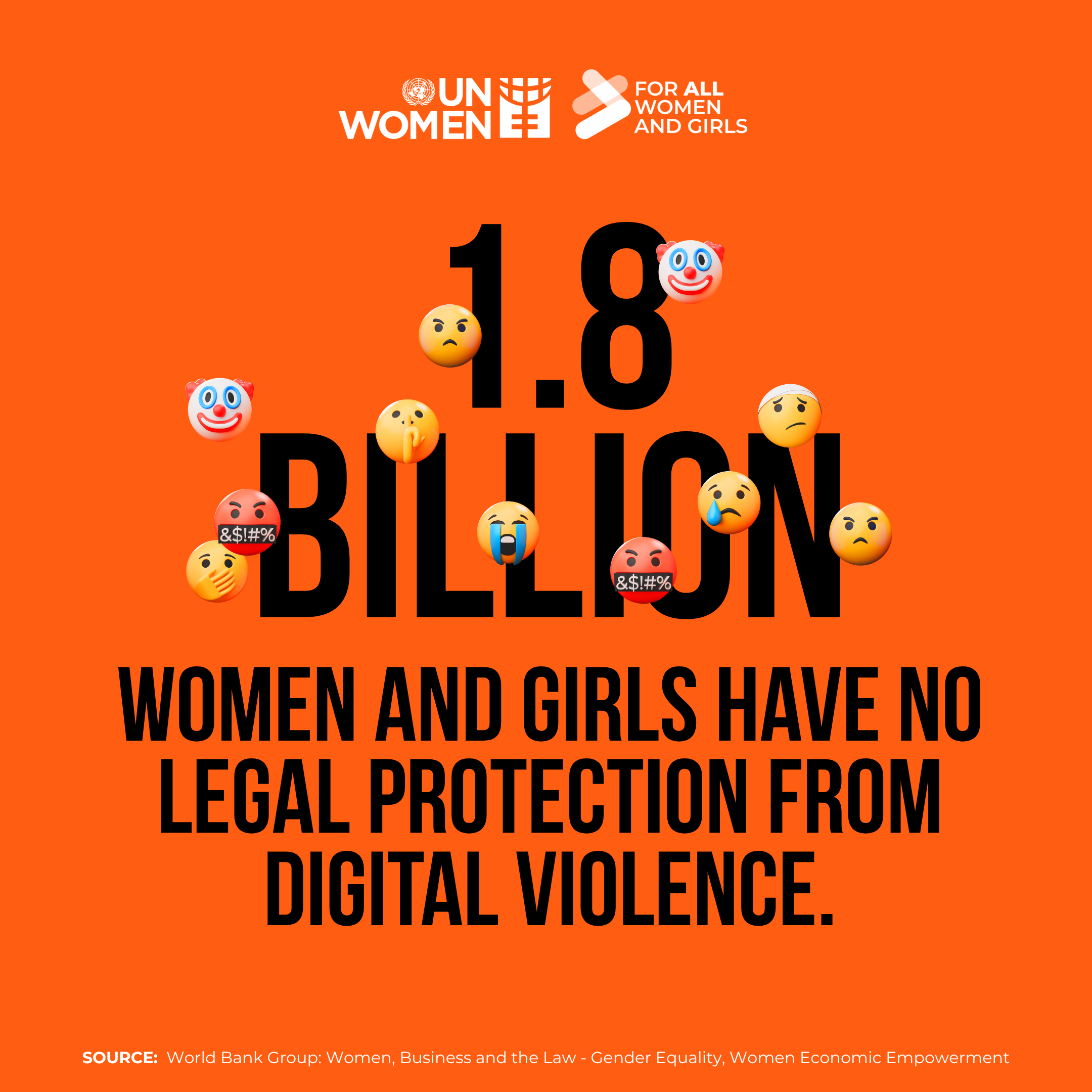
According to World Bank data cited by the agency, fewer than 40 per cent of countries have laws that protect women from cyber harassment or stalking. This means 1.8 billion women and girls, or 44 per cent of the global female population, remain without access to legal protection.
UN Women said those in public life are particularly exposed. Women in leadership, business, and politics increasingly face coordinated abuse and gendered disinformation, while one in four women journalists report receiving online threats of physical violence, including death threats.
“What begins online does not stay online. Digital abuse spills into real life, spreading fear, silencing voices, and in the worst cases leading to physical violence and femicide,” said UN Women Executive Director Sima Bahous. She called for legal systems to keep pace with technological change, warning that “weak legal protections leave millions of women and girls vulnerable, while perpetrators act with impunity”.
The agency said reporting of online abuse remains low, justice systems are often ill-equipped to respond, and major technology companies continue to face limited accountability for harmful content. The rise of AI-generated abuse has deepened concerns, with cases spreading across borders and platforms.
Also Read: Kwara Targets 60% Female Tech Participation with ‘Girls Code’ Initiative
Some governments have begun updating laws to respond to the scale of the problem. Measures such as the United Kingdom’s Online Safety Act, Mexico’s Ley Olimpia, Australia’s Online Safety Act and the European Union’s Digital Safety Act reflect efforts to regulate fast-changing digital environments. As of 2025, 117 countries reported that they were taking steps to address digital violence, though reforms remain fragmented.
UN Women is calling for stronger global cooperation to enforce safety and ethical standards on digital platforms and AI tools. It also wants increased funding for women’s rights organisations, improved legal accountability for perpetrators, and greater action from technology companies to remove harmful content and respond to reports of abuse more effectively. The agency is urging investment in prevention, including digital literacy and online safety training for women and girls.
The agency warned that progress remains at risk as civic space shrinks and funding declines for feminist movements. It said initiatives such as the EU-funded ACT to End Violence against Women and Girls programme are critical to sustaining advocacy and pushing governments towards reform.
This year’s 16 Days of Activism against Gender-Based Violence campaign focuses on tackling digital violence, which UN Women describes as one of the fastest-evolving forms of abuse. To support governments and police forces, the organisation is launching two tools intended to strengthen responses to technology-facilitated violence. These include a supplement to its legislative handbook on violence against women and a new guide for police services.
UN Women said that until digital spaces are safe for all women and girls, gender equality will remain out of reach.
Leave feedback about this
You must be logged in to post a comment.