

Estimated reading time: 3 minutes
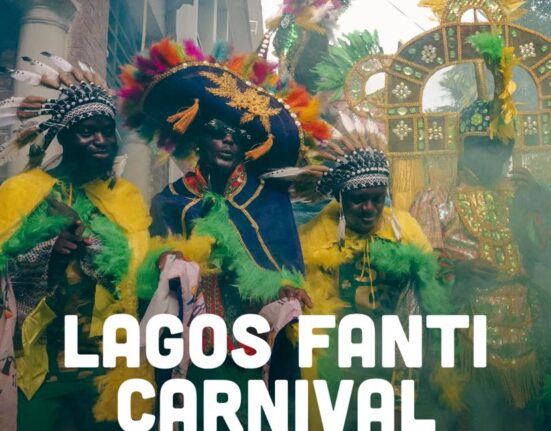
Ahead of Monday’s Lagos Fanti Carnival 2026, stakeholders at a summit on Thursday outlined structural gaps in connectivity, financing, and policy coordination. These gaps continue to limit tangible outcomes in the Nigeria–Brazil collaboration on trade, culture, and heritage.
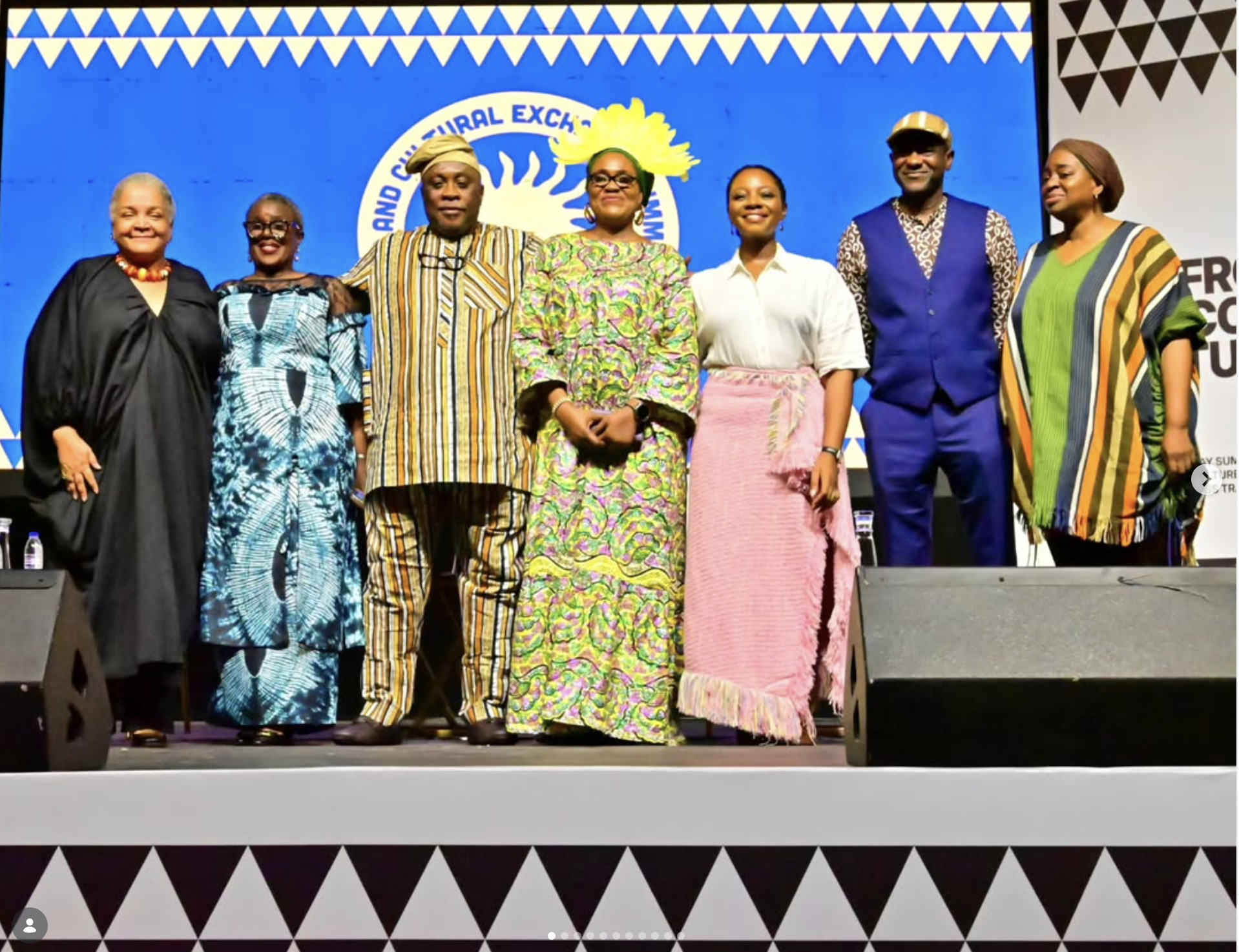
The Acting Consul-General of Brazil in Lagos, Arnaldo Clarete Salabert, raised the issue at a one-day Afro-Brazilian Economic and Cultural Summit. The event brought together government officials, diplomats, academics, and creative industry players to explore opportunities in agriculture, energy, and the creative economy.
The summit focused on three themes: economic collaboration, creative industries, and heritage diplomacy. This reflects an effort to reposition longstanding Afro-Brazilian cultural ties as a foundation for economic engagement.
Connectivity and Trade Challenges
Mr Salabert said logistics remain the most immediate barrier. The absence of direct air links limits trade, tourism, and institutional exchange between the two countries, despite centuries of historical ties.
He highlighted a project designed to modernise Nigeria’s agriculture sector, expected to create 100,000 direct jobs. He also emphasised that one of the most anticipated results of the partnership is a direct flight between Lagos and São Paulo.
Renewed collaboration with Petrobras also signals Brazilian interest in Nigeria’s energy sector.
Culture as a Growth Sector
Permanent Secretary of the Lagos State Ministry of Tourism, Arts, and Culture, Adebopo Oyekan-Ismaila, described culture as a key economic driver. She said the creative economy is central to Lagos’ growth strategy.
Bolaji Animashaun, Project Director of the Lagos Fanti Carnival 2026, said the carnival is a multi-layered economy. It involves performers, logistics teams, and informal sector participants, with structured investment still a key issue.
She said, “The first part of it is, when we all come together, who is going to finance it? This is why the stage is so important. Not just financial support, but also services. The stage itself is our panel; it is our stage. The streets of Lagos are a stage.
“It is a moving cultural procession. Apart from performers, we have people ensuring the streets are clean and safe. There are people ready to manage fire-breathers if something happens. These participants come from all walks of life and live in the communities.”
Heritage as a Policy Tool
Veteran actor and cultural advocate Joke Silva said Afro-Brazilian history should guide institutional collaboration. She added, “This summit is built on that foundation, not only as a shared past but as a basis for present collaboration and future opportunity. Sustainable engagement is strongest when grounded in history, informed by culture, and supported by institutions.”
Scholars Warn Against Oversimplification
Bashir Animashaun, Professor of History and International Relations at Lagos State University, cautioned against oversimplifying Afro-Brazilian relations. He said return migration significantly shaped Lagos’ development and warned against building contemporary partnerships on incomplete historical narratives.
Ambition Outpaces Implementation
The summit featured three panel sessions, with topics including preserving monuments such as Ilojo Bar and Shitta-Bey Mosque, reviving heritage, and passing culture on to younger generations in the digital age. Participants included Cultural Policy Advisor Aduke Gomez, Co-Founder of Street Souk Teniola Zaccheaus, Cultural Producer/Heritage Curator Lawon Adams, Culinary/Food Festival Designer Atim Ukoh, Assistant Director of Monuments Grace Anwulika Ifeadi, and Academic Bisoye Eleshin, among others.
Discussions emphasised expanding trade, strengthening cultural industries, and deepening bilateral cooperation. Experts stressed the need for concrete policy frameworks, financing plans, and infrastructure commitments.
As Lagos prepares for the Fanti Carnival, the summit highlighted the need for Nigeria’s cultural diplomacy to move beyond narrative appeal to tangible institutional action. The success of renewed Nigeria–Brazil engagement will depend on addressing longstanding gaps in connectivity, investment, and execution.
Leave feedback about this
You must be logged in to post a comment.