

The World Bank and the International Monetary Fund say Nigeria’s economy remains unstable, warning that high inflation continues to undermine household welfare despite recent macroeconomic gains. The institutions made the remarks in Lagos at the Nigerian Economic Summit Group 2026 Macroeconomic Outlook presentation.
The World Bank’s Senior Economist for Nigeria, Dr Samer Matta, and the IMF Country Representative, Dr Christian Ebeke, said reforms had helped stabilise key indicators but stressed that inflation remains elevated. Dr Ebeke warned against complacency and policy reversals, urging the Federal Government and state governments to maintain fiscal and monetary discipline.
Dr Matta said prolonged double-digit inflation poses a major risk to welfare, adding that government spending must prioritise social protection, health and education, particularly at the subnational level. He noted that while inflation is easing, it remains a significant constraint on living standards.
Also Read: Israel Reopens Rafah as Fragile Gaza Ceasefire Holds
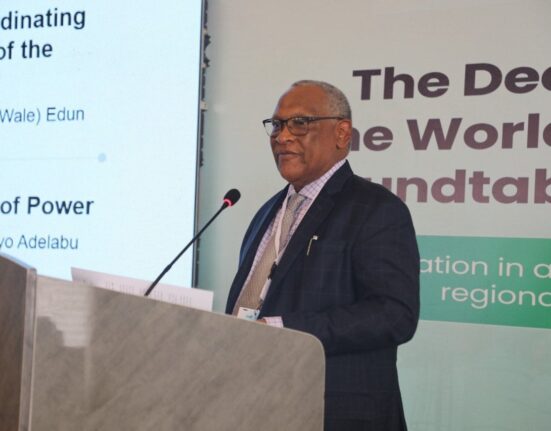
The Nigerian Economic Summit Group projected that Nigeria’s economy will grow by 5.5 percent in 2026, with inflation forecast at 16 percent and the exchange rate at about 1,480 naira to the dollar. NESG Chairman, Niyi Yusuf, said Nigeria had moved towards a more predictable economic environment but warned that stability alone would not deliver broad-based growth or improved household incomes.
Leave feedback about this
You must be logged in to post a comment.